
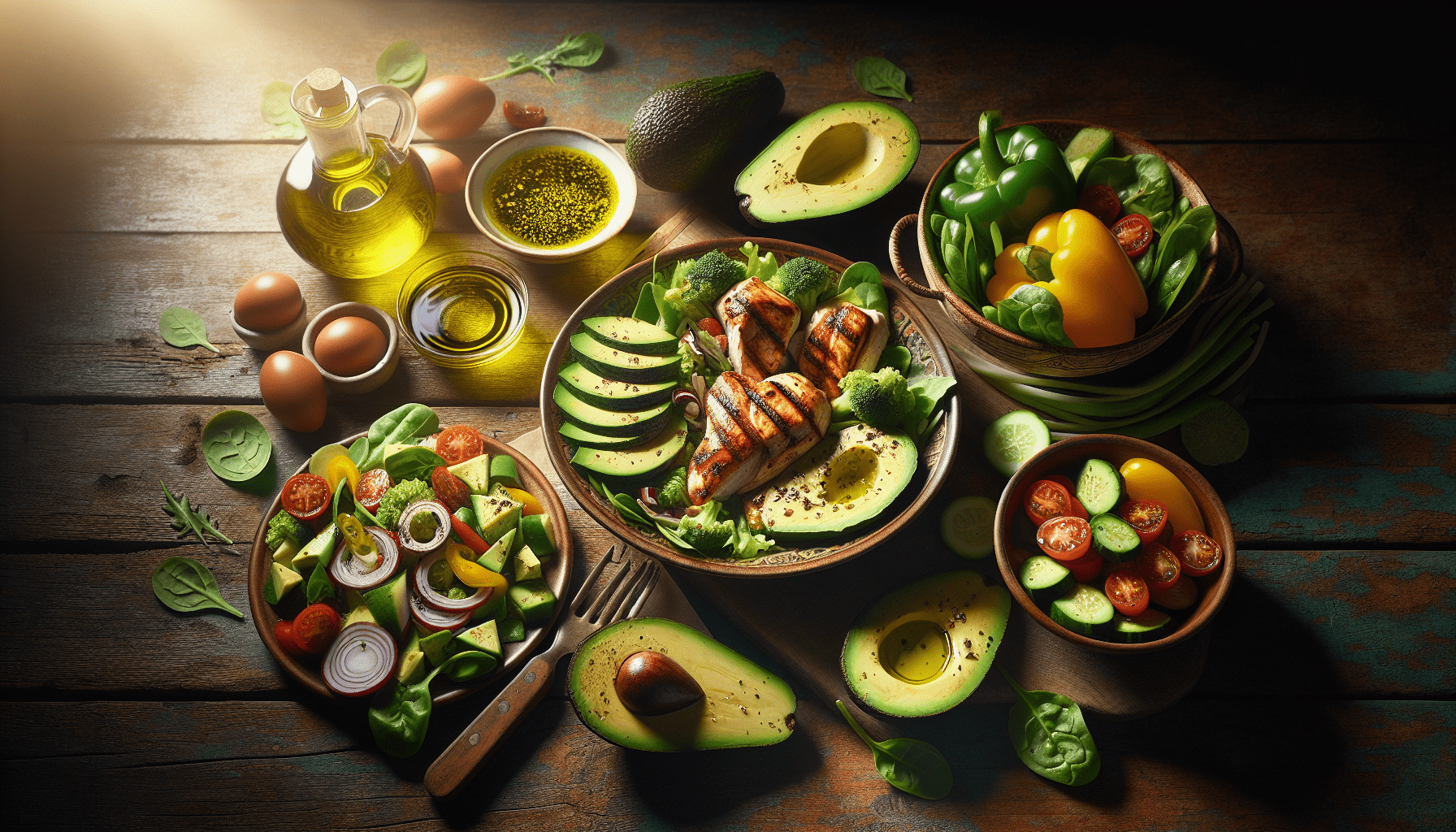
Have you ever found yourself puzzled by the complexities of the ketogenic diet?
If you’re thinking about going keto or have already started but aren’t seeing the results you anticipated, you might be making some common mistakes.
Understanding these pitfalls can help you achieve your health and wellness goals while following this popular low-carb lifestyle.

What is the Keto Diet?
The ketogenic diet, or keto diet, emphasizes high fat, moderate protein, and very low carbohydrate intake.
The primary goal is to shift your body’s metabolism from burning glucose for energy to burning fat.
This metabolic state is known as ketosis. By limiting your carb intake to usually around 20 to 50 grams per day, you encourage your body to use fat for energy instead of the sugar from carbohydrates.
Benefits of the Keto Diet
The keto diet can lead to numerous benefits, including weight loss, improved mental clarity, and enhanced energy levels.
Many individuals also report decreased hunger cravings and stable blood sugar levels.
However, these benefits can quickly be overshadowed by common mistakes. Below are four key pitfalls that you should be mindful of on your keto journey.
Mistake 1: Not Tracking Your Macros
One of the most significant mistakes people make when starting the keto diet is failing to track their macronutrient intake.
It’s essential to know how many fats, proteins, and carbohydrates you consume daily.
Why Macro Tracking is Crucial
Your body requires a specific ratio of these macros to enter and maintain ketosis.
A typical keto macronutrient breakdown consists of about 70-75% of your calories coming from fats, 20-25% from proteins, and only 5-10% from carbohydrates.
Failing to monitor your macros can lead you to consume too many carbs or not enough fats, preventing you from reaching ketosis.
How to Track Your Macros
- Use an App: There are several apps like MyFitnessPal or Carb Manager that can help you log and track your food intake.
- Set Goals: Once you have an app, set personal macro goals based on your weight loss or health targets.
- Read Labels: Familiarize yourself with reading nutrition labels on packaged foods to get accurate macro information.
Mistake 2: Overlooking Hidden Carbs
You may think you’re sticking to your carb limits, but many foods contain hidden carbs you might not count.
Common Sources of Hidden Carbs
- Condiments: Ketchup, BBQ sauce, and certain salad dressings can contain sugar.
- Packaged Foods: Many processed foods are laden with hidden sugars and carbs.
- Vegetables: Even though non-starchy vegetables are generally keto-friendly, some, like carrots and potatoes, have higher carb content.
How to Identify Hidden Carbs
- Read Ingredient Lists: Look beyond the nutrition facts to the ingredients section. Be wary of words ending in “-ose,” such as glucose, fructose, or sucrose.
- Cook from Scratch: Preparing your meals ensures you know exactly what goes into your food, helping you avoid hidden carbs.
- Choose Fresh: Opt for whole, unprocessed foods whenever possible, as they are less likely to contain hidden sugars.
Mistake 3: Eating Too Much Protein
While protein is essential to your diet, many individuals on keto make the mistake of over-consuming protein.
Understanding Protein and Ketosis
In the ketogenic diet, it’s crucial to strike a balance. Consuming too much protein can lead to gluconeogenesis, a process where your body converts excess protein into glucose, which can kick you out of ketosis.
How to Balance Your Protein Intake
- Focus on Quality: Choose high-quality, fatty cuts of meat and fish, which not only provide protein but also healthy fats.
- Mind Your Portions: Keep your protein portion moderate—generally around 15-20% of your total daily caloric intake.
- Plan Meals Wisely: You’re more likely to exceed your protein intake if you eat large portions or overly protein-dense foods.
Recommended Protein Sources
Here’s a quick table showcasing good protein choices for your keto diet:
| Protein Source | Approximate Protein per Serving | Recommended Serving Size |
|---|---|---|
| Chicken Thighs | 26 grams | 3 ounces |
| Salmon | 22 grams | 3 ounces |
| Eggs | 6 grams | 1 large egg |
| Beef (Ribeye) | 22 grams | 3 ounces |
| Tofu | 10 grams | 3 ounces |

Mistake 4: Ignoring Fat Sources
The cornerstone of the ketogenic diet is fat, yet many people make the mistake of underestimating its significance.
Not all fats are created equal, and the sources you choose can greatly impact your health.
Types of Fats to Focus On
- Healthy Fats: Prioritize sources such as avocados, olive oil, coconut oil, and fatty fish.
- Avoid Trans Fats: Stay away from highly processed foods containing trans fats, which can lead to various health issues.
- Moderation with Saturated Fats: While coconut oil and butter are popular in the keto community, try to consume them in moderation.
How to Incorporate Healthy Fats
- Use Fats in Cooking: Flavor your meals with olive oil, coconut oil, and butter instead of using non-stick sprays.
- Snack Smart: Choose snacks like nuts, seeds, or cheese instead of carb-heavy options.
- Read Labels: Pay attention to the types of fats in packaged foods. Look for those that list healthy oils and fats.
Conclusion
Embarking on a ketogenic journey can be incredibly rewarding, but it’s not without its challenges.
By avoiding these four common keto mistakes—neglecting to track macros, overlooking hidden carbs, overindulging in protein, and ignoring the importance of healthy fats—you can pave the way for a more successful and sustainable experience.
Remember, every person’s body is different, and it may take time for you to find what works best.
Learning about the nuances of the keto diet will empower you to embrace it fully, helping you achieve your health goals while enjoying delicious foods.
Frequently check in with your progress, adjust your approach as necessary, and most importantly, find the joy in your meals. Your ketogenic lifestyle is a journey, and with the right tools and knowledge, you’re well-equipped to navigate it successfully!


