

Have you ever wondered why losing weight feels like such a challenge, even when you’re trying your best?
Understanding the intricacies of weight loss can illuminate the path to your goals.
Let’s break down the science behind weight loss and uncover effective strategies for lasting results.
The Basics of Weight Loss
At its core, weight loss is about creating a balance between the calories you consume and the calories your body burns.
When you eat fewer calories than you burn, you lose weight. But how does the body manage this process?
The Role of Calories
Calories are units of energy provided by food and drinks. Your body requires a certain number of calories each day to function, which is known as your Total Daily Energy Expenditure (TDEE).
TDEE includes your Basal Metabolic Rate (BMR), the energy you burn at rest, and the calories burned through physical activity.
- BMR: The number of calories your body needs to maintain basic functions like breathing and digestion when at rest.
- Physical Activity: Any movement you do, including exercise, walking, and even household chores.
Understanding your individual calorie needs is crucial. This can help you plan your diet and exercise routine effectively.
Creating a Caloric Deficit
To lose weight, you need to create a caloric deficit, meaning you consume fewer calories than your TDEE. This can be achieved through:
- Diet: Eating fewer calories by choosing lower-calorie foods or reducing portion sizes.
- Exercise: Increasing your physical activity to burn more calories.
A sustainable caloric deficit typically ranges from 500 to 1,000 calories per day, leading to a safe weight loss of about 1 to 2 pounds per week.
The Science Behind Metabolism
Metabolism refers to all the processes that convert food into energy. It involves a complex interplay of hormones and enzymes that listen to your body’s needs.
How Metabolism Works
- Catabolism: The breakdown of food molecules to release energy.
- Anabolism: The use of energy to build and repair tissues.
Your metabolic rate, or the rate at which your body burns calories, can be influenced by several factors, including:
- Genetics: Some people have faster metabolisms thanks to their genetic background.
- Age: Metabolism tends to slow down as you age.
- Muscle Mass: More muscle increases metabolic rate, as muscle tissue burns more calories than fat tissue even at rest.
Enhancing Your Metabolism
To potentially enhance your metabolism, consider:
- Strength Training: Building muscle through resistance exercises can give your metabolism a boost.
- High-Intensity Interval Training (HIIT): Short bursts of intense exercise can increase calorie burn both during and after your workouts.
- Staying Hydrated: Drinking water can temporarily boost metabolism as your body uses energy to heat it to body temperature.

The Importance of Nutrition in Weight Loss
What you eat plays a pivotal role in your weight loss journey. It’s not just about calories; nutrition also impacts your overall health.
Macronutrients: Protein, Fats, and Carbohydrates
Your diet should include a balance of macronutrients:
- Proteins: Essential for building and repairing tissues. Protein can help you feel fuller for longer, reducing overall calorie intake.
- Fats: Necessary for hormone production and nutrient absorption. Healthy fats, such as those from avocados, nuts, and olive oil, can keep your diet balanced.
- Carbohydrates: The body’s primary energy source. Choose complex carbs, like whole grains and vegetables, that provide sustained energy and fiber.
Here’s a quick breakdown of the functions of these macronutrients:
| Macronutrient | Function | Source Examples |
|---|---|---|
| Protein | Builds and repairs tissues | Chicken, fish, legumes, tofu |
| Fats | Hormone production, energy | Nuts, seeds, olive oil |
| Carbohydrates | Energy source | Whole grains, fruits, vegetables |
The Impact of Micronutrients
Micronutrients, including vitamins and minerals, are also vital for proper body functioning.
A well-rounded diet rich in fruits and vegetables ensures you gain necessary micronutrients that can affect your metabolism.
- Vitamin D and Calcium: Important for bone health and metabolic functions.
- B Vitamins: Play a role in energy metabolism.
Behavioral Aspects of Weight Loss
While the science of weight loss centers on calories and metabolism, behavior also plays an essential role in long-term success.
Setting Realistic Goals
You should set realistic, achievable weight loss goals. This helps keep you motivated and committed.
Instead of aiming for drastic changes, consider smaller, incremental goals, such as losing 1 pound a week.
Mindful Eating
Mindful eating involves paying attention to your hunger cues and savoring your food without distractions.
This practice can help you appreciate your meals more and may lead to better food choices.
Here are some tips for mindful eating:
- Eat slowly and chew your food thoroughly.
- Pay attention to your body’s hunger and fullness signals.
- Avoid eating in front of screens.
Overcoming Emotional Eating
Many turn to food for comfort during stressful times. Recognizing the difference between physical hunger and emotional cravings can help you develop healthier coping mechanisms.
Consider journaling or talking to a friend when you feel the urge to eat out of stress.
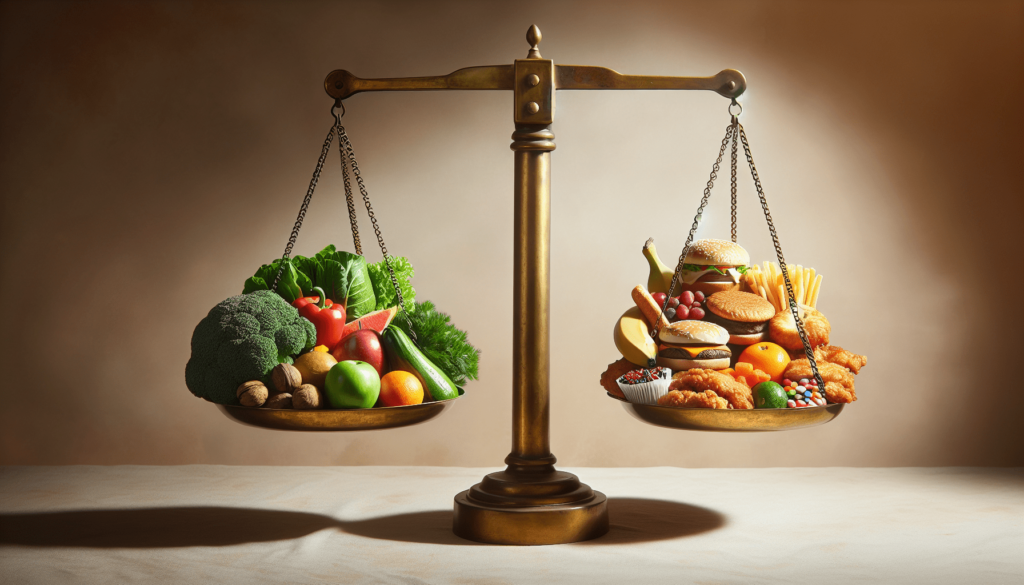
Exercise and Weight Loss
Exercise contributes significantly to weight loss, but it’s essential to find activities you enjoy. This increases the likelihood that you’ll stick with it.
The Types of Exercise
There are generally two types of exercise: aerobic (cardio) and anaerobic (strength training). Each has benefits for weight loss.
- Aerobic Exercise: Activities like running, swimming, or cycling that elevate your heart rate and burn calories. Aim for 150 minutes of moderate aerobic activity each week.
- Strength Training: Builds muscle and increases metabolism. Aim to include full-body strength training exercises at least two days a week.
Finding an Exercise You Love
It’s easier to stay committed if you look forward to your workouts. Try various classes, team sports, or outdoor activities until you discover what you love.
Keeping the Weight Off
After successfully losing weight, the next challenge is maintaining that loss. Many individuals find this to be the most difficult part of their journey.
The Role of Maintenance Calories
Once you reach your weight loss goal, it’s essential to adjust your caloric intake to match your new TDEE. This new TDEE is usually lower than before due to the loss of weight.
- Adjust Your Diet: Monitor your calorie intake and adjust as needed to avoid weight regain.
- Stay Active: Continue your exercise regimen to help prevent weight regain and keep your metabolism active.
Building a Support System
Having a supportive environment can significantly impact your success in maintaining weight loss.
Share your goals with friends or family members and consider joining a group or online community.
Common Myths About Weight Loss
With the vast amount of information available, numerous myths about weight loss can lead to confusion. Being aware of these misconceptions will help you make informed decisions.
Myth 1: Carbs Make You Gain Weight
Carbohydrates are not inherently bad. They are necessary for energy. The key is to choose the right types of carbohydrates—opt for whole grains and limit sugars.
Myth 2: “Diet” Foods Are Always Healthy
Many so-called “diet” foods are highly processed and can contain added sugars or unhealthy fats. Always check the nutritional label and focus on whole, real foods.
Myth 3: You Have to Cut Out All Your Favorite Foods
Extreme restrictions can lead to cravings and binge eating. Instead, practice moderation. You can include your favorite foods in your diet while still losing weight.
The Psychological Aspect of Weight Loss
Weight loss is not solely a physical journey; it’s also a mental one. Understanding your mindset can greatly influence your success.
Building a Positive Mindset
Cultivating a positive attitude towards weight loss can help you stay motivated. Affirmations, visualization, and surrounding yourself with positivity can boost your mindset.
Dealing with Setbacks
Setbacks are a natural part of the weight loss journey. Instead of feeling discouraged, view them as learning opportunities.
Understand what triggered the setback and plan how to address it in the future.
Celebrate Your Successes
No matter how small, celebrate your achievements. Acknowledging progress can motivate you to continue working towards your goals.
Conclusion
The science of weight loss is multifaceted and requires a combination of understanding your physiology, making conscious dietary choices, engaging in regular exercise, and fostering a positive mindset.
You are capable of achieving your goals, whether it’s losing weight or maintaining your current status.
Remember, this journey is unique to you; embrace the process, learn from your experiences, and commit to long-term health and well-being.
You’ve got this!