Have you ever wondered how a diet that emphasizes high fat and low carbohydrates can lead to weight loss and improved health?
The Keto Diet might just be the answer you’re looking for.
This dietary approach has gained popularity for good reason, and understanding how it works can set you on the path to success. Let’s break it down together.
What is the Keto Diet?
At its core, the Keto Diet is a low-carb, high-fat eating plan. The goal is to shift your body from burning carbohydrates for fuel to burning fat.
This metabolic state is known as ketosis. You’ll typically consume 70-80% of your daily calories from fat, 10-20% from protein, and only about 5-10% from carbohydrates.
Sounds intriguing, right?
The Science Behind Ketosis
When you significantly reduce your carbohydrate intake, your body begins to look for alternative energy sources.
By limiting carbs, your glycogen stores decrease, and your body turns to fat for energy. This is where ketones come into play.
Ketones are produced by the liver from fatty acids and serve as an alternative fuel source for your body and brain.
Benefits of the Keto Diet
Now that we understand the basics, let’s discuss the benefits. There’s a lot of buzz surrounding this diet, and for good reason:
- Weight Loss: Many people find that they lose weight quickly on the Keto Diet. With the body burning fat for energy, it can also lead to decreased hunger and reduced calorie intake.
- Improved Mental Clarity: Some followers of the diet report enhanced focus and mental clarity. This may be due to the efficiency of ketones as fuel for brain cells.
- Stable Energy Levels: Because fat is a more stable energy source than carbohydrates, many people experience fewer energy spikes and crashes throughout the day.
- Reduced Blood Sugar Levels: Lowering carbohydrate intake can lead to decreased blood sugar levels, which can be beneficial for those with diabetes or insulin resistance.
Who Should Consider the Keto Diet?
While the Keto Diet has many potential benefits, it’s not suitable for everyone.
It may be worthwhile for you to consider this diet if you are looking to lose weight, manage your blood sugar levels, or explore new dietary approaches.
Always consult with a healthcare professional before making significant dietary changes, especially if you have underlying health conditions.
Starting the Keto Diet: What to Know
If you’ve decided to give the Keto Diet a try, congratulations! The journey can be exciting. Here are a few essentials to get you off to a good start.
Understanding Macros
Your macronutrient ratios are crucial when following the Keto Diet. A common starting point is:
| Macros | Percentage |
|---|---|
| Fat | 70-80% |
| Protein | 10-20% |
| Carbohydrates | 5-10% |
You may want to track your macros using apps or a food diary until you get the hang of it.
Foods to Include
A successful Keto Diet requires knowing what foods to embrace. Here’s a list of foods that fit nicely into keto-friendly meals:
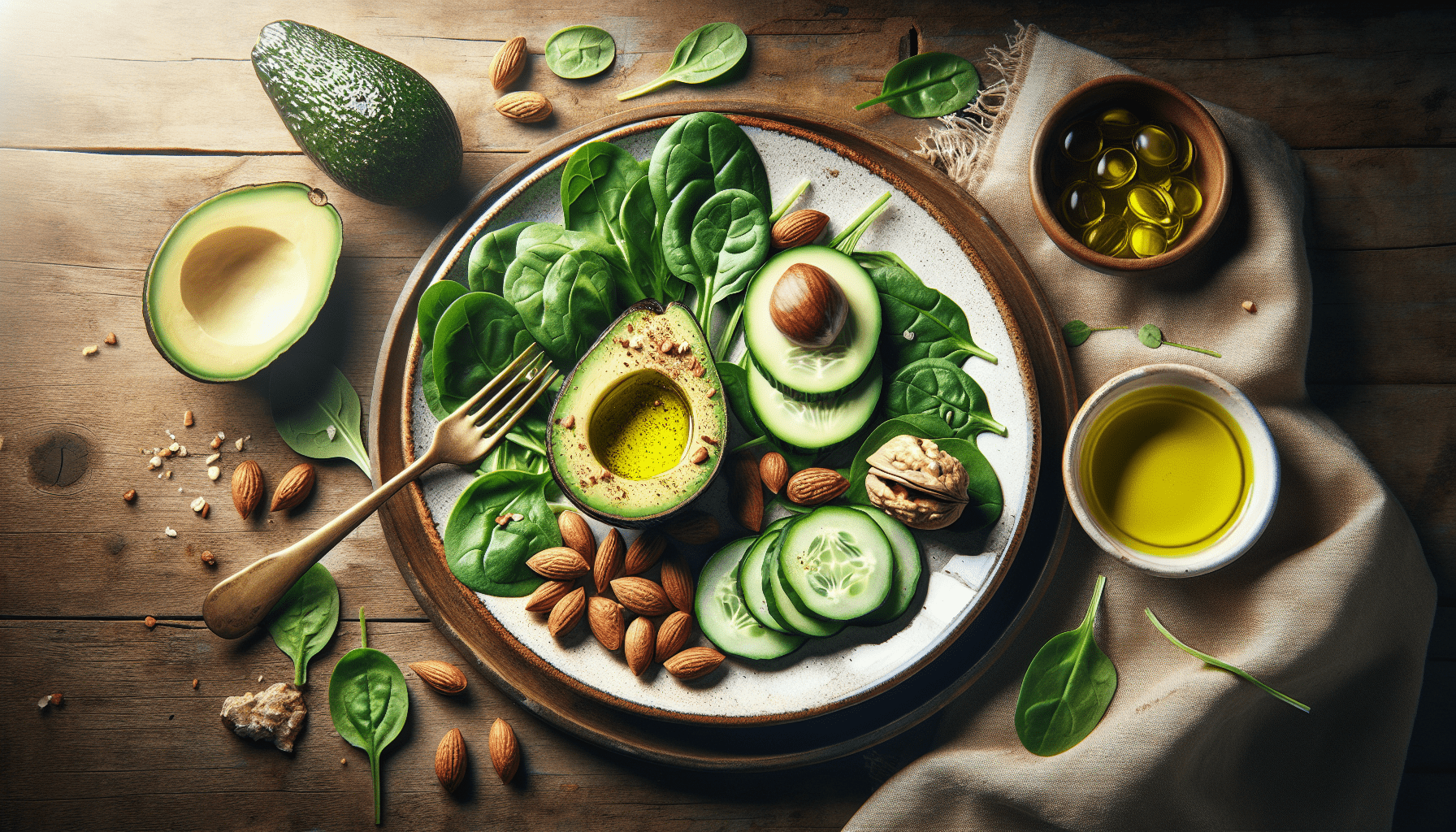
- Healthy Fats: Avocado, olive oil, coconut oil, butter, and nuts.
- Protein Sources: Fatty fish, poultry, red meat, eggs, and low-carb dairy.
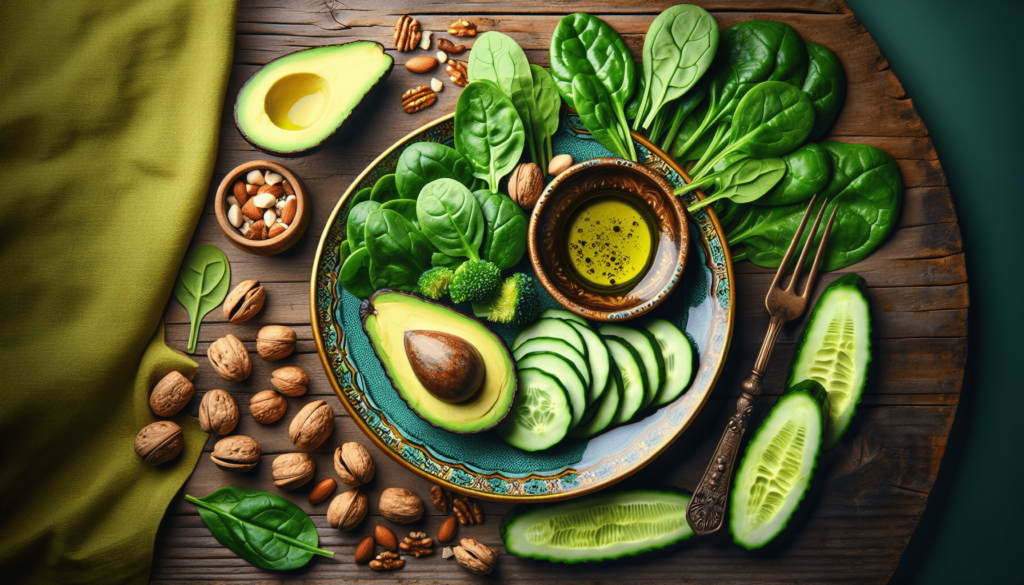
- Low-Carb Vegetables: Spinach, kale, broccoli, zucchini, and cauliflower.
- Berries (in moderation): Strawberries, raspberries, and blackberries.
Foods to Avoid
It’s equally important to know what to steer clear of when on the Keto Diet:
- Sugary Foods: Candy, desserts, and sweet beverages.
- Starchy Vegetables: Potatoes, corn, and peas.
- Grains: Bread, rice, pasta, and cereals.
- High-Carb Fruits: Bananas, apples, and grapes.
There’s plenty of variety in what you can eat on the Keto Diet, ensuring you won’t feel deprived!
Challenges You Might Face
Transitioning to the Keto Diet can come with obstacles, especially in the beginning. Here are a few common challenges you might encounter and ways to overcome them.
The Keto Flu
Some individuals experience flu-like symptoms in the initial stages of the diet, often referred to as the “Keto Flu.”
Symptoms can include fatigue, headaches, and dizziness. This happens as your body adjusts to burning fat instead of carbs.
To help minimize these symptoms, stay hydrated, replenish electrolytes, and ensure you’re consuming enough fat.
Social Situations
It can be a bit tricky to navigate social gatherings or restaurants while on the Keto Diet. Don’t hesitate to communicate your dietary preferences to friends and family.
Opt for meals that can be modified, and don’t shy away from bringing your own keto-friendly snacks.
Meal Planning and Preparation
Getting organized is key to success on the Keto Diet. Let’s discuss how to effectively plan your meals and make the dietary shift easier.
Create a Weekly Meal Plan
Planning out your meals for the week can save you a lot of time and stress. Consider the following template:
| Day | Breakfast | Lunch | Dinner | Snack |
|---|---|---|---|---|
| Monday | Scrambled Eggs | Tuna Salad | Grilled Chicken | Cheese and nuts |
| Tuesday | Keto Smoothie | Zucchini Noodles | Beef Stir-Fry | Celery with cream cheese |
| Wednesday | Chia Seed Pudding | Cobb Salad | Pork Chops | Hard-Boiled Eggs |
| Thursday | Omelet | Chicken Salad | Shrimp and Broccoli | Olives |
| Friday | Greek Yogurt | Lettuce Wraps | Lamb Chops | Pumpkin Seeds |
| Saturday | Frittata | Caprese Salad | Salmon | Sliced Avocado |
| Sunday | Pancakes (Almond Flour) | Beef Burger (Lettuce Wrap) | Zucchini Lasagna | Dark Chocolate |
Adjust this plan according to your preferences. Feel free to get creative with spices and flavorings to keep meals exciting.
Cooking Tips
Cooking can be enjoyable, even as you adapt to a new way of eating. Here are some useful tips:
- Batch Cooking: Prepare larger portions of meals and freeze leftovers. This will save you time during busy weeks.
- Experiment with Spices: Herbs and spices can elevate the flavor of your dishes and make them more enjoyable.
- Use Keto-friendly Substitutes: Consider using cauliflower rice instead of regular rice or zucchini noodles in place of pasta.
Monitoring Your Progress
Tracking your progress will help keep you motivated on the Keto Diet journey. But how do you go about monitoring progress effectively?
Keep a Food Journal
Journaling your food intake can help you stay consistent and see patterns in your eating habits.
Record the meals you eat, as well as how you feel after different foods. This can assist you in identifying what works best for your body.
Measure Your Ketone Levels
Consider using ketone testing strips or a blood ketone meter to measure your ketone levels. This can be an effective way to know whether your body is in a state of ketosis.
Monitor Weight and Measurements
While the scale can be a useful tool, it’s not the only measure of progress. Take measurements of your waist, hips, and other areas to see how your body is changing.
Keep in mind that your body composition can change over time even if the scale doesn’t move significantly.
Staying Committed
Sticking to the Keto Diet can sometimes feel challenging, especially when tempted by old habits. Here’s how you can keep your commitment strong.
Find a Support System
Sharing your journey with others can provide motivation and accountability.
Whether it’s friends, family, or online communities, connecting with people who understand the Keto lifestyle can be incredibly beneficial.
Celebrate Small Wins
Recognizing your achievements, no matter how small, can boost your motivation.
Celebrate those milestones like reaching the end of your first week or fitting into that old pair of jeans again.
Revisit Your Why
From time to time, reflect on why you started this journey. Reconnecting with your reasons—whether it be for health, weight loss, or overall well-being—can inspire you to keep going.
Exploring Variations of the Keto Diet
As you become more familiar with the Keto approach, you might want to learn about its variations.
Cyclical Keto
This method involves alternating between periods of ketosis and higher carb intake.
For example, you could follow a strict keto diet for five days, followed by two days of higher carb consumption.
This approach may help ease some of the restrictions and provide a break for your body.
Targeted Keto
If you’re active and have a vigorous workout routine, targeted keto may be a good fit.
This allows you to consume carbs around your workout times to enhance performance while maintaining ketosis the rest of the day.
Vegetarian or Vegan Keto
If you follow a plant-based diet, you can still follow keto with careful planning.
You’ll need to focus on high-fat, low-carb foods like avocados, nuts, seeds, and some low-carb vegetables.
Potential Risks and Considerations
While the Keto Diet has numerous benefits, it may not be suitable for everyone, and there can be potential risks. Here are some things to keep in mind:
Nutritional Deficiencies
Since the Keto diet severely restricts certain food groups, there’s a risk of missing out on vital nutrients.
Ensure you incorporate a variety of low-carb vegetables and consider supplementing with vitamins if needed.
Long-term Sustainability
Some find the restrictive nature of the Keto Diet difficult to maintain long-term. It may be beneficial to view Keto as a tool for managing your diet rather than an all-or-nothing approach.
Consult a Professional
Before starting the Keto Diet or making significant dietary changes, discussing your plans with a registered dietitian or healthcare provider can help ensure it aligns with your individual health needs.
Conclusion
Embarking on a Keto Diet can be an exciting venture filled with new foods and experiences.
By understanding the principles of the diet, meal planning effectively, and staying committed to your goals, you can pave the way for a successful journey.
Remember to listen to your body, seek support, and celebrate your accomplishments. The path may have its challenges, but with determination, you can thrive in this new lifestyle.
So, are you ready to take the plunge and embrace the possibilities that come with the Keto Diet? You have the knowledge now; it’s time to put it into action!