
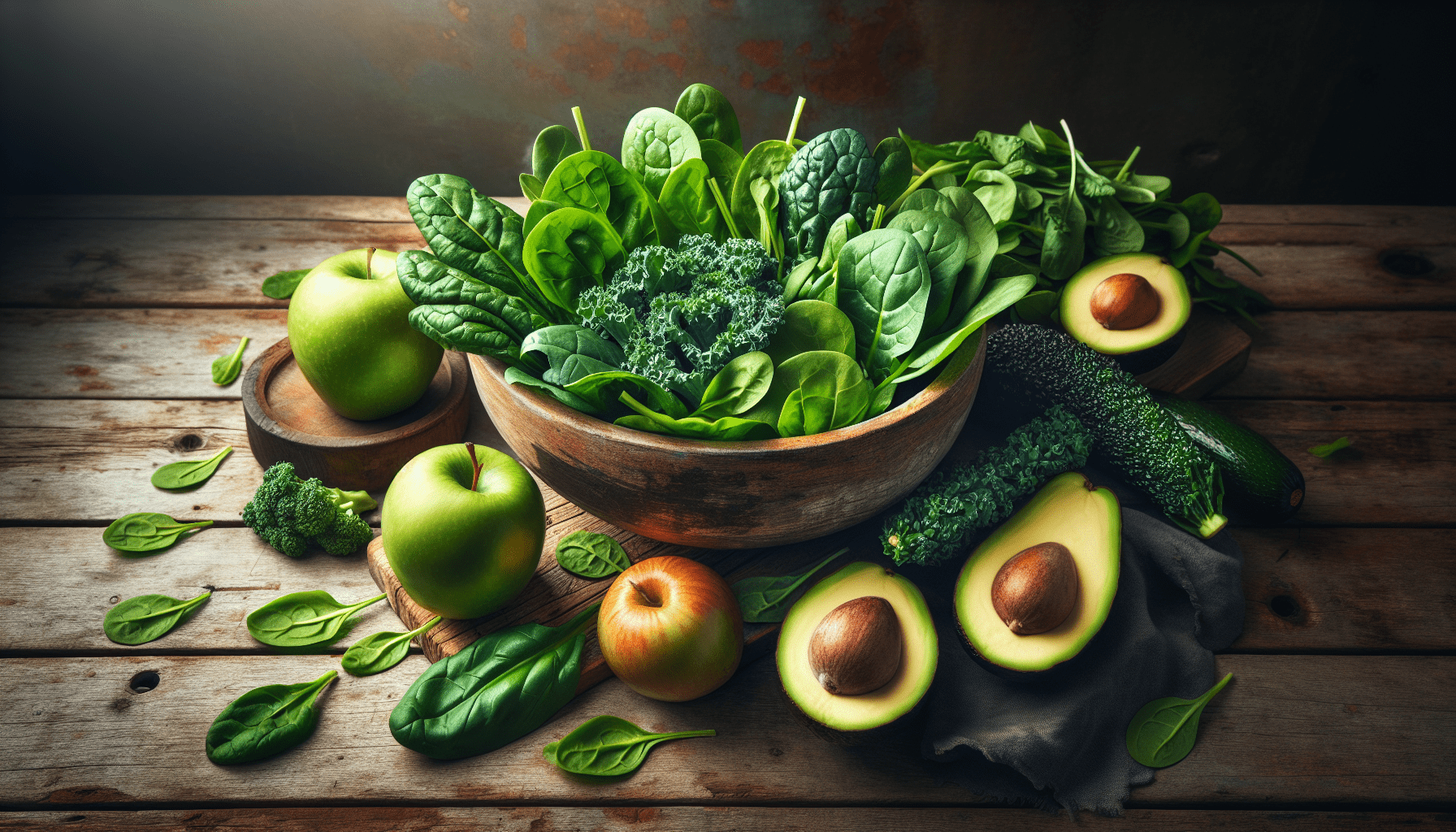
Have you ever wondered why green smoothies are so popular among those looking to lose weight?
You might be curious about the ingredients that make these smoothies not only delicious but also beneficial for your health.
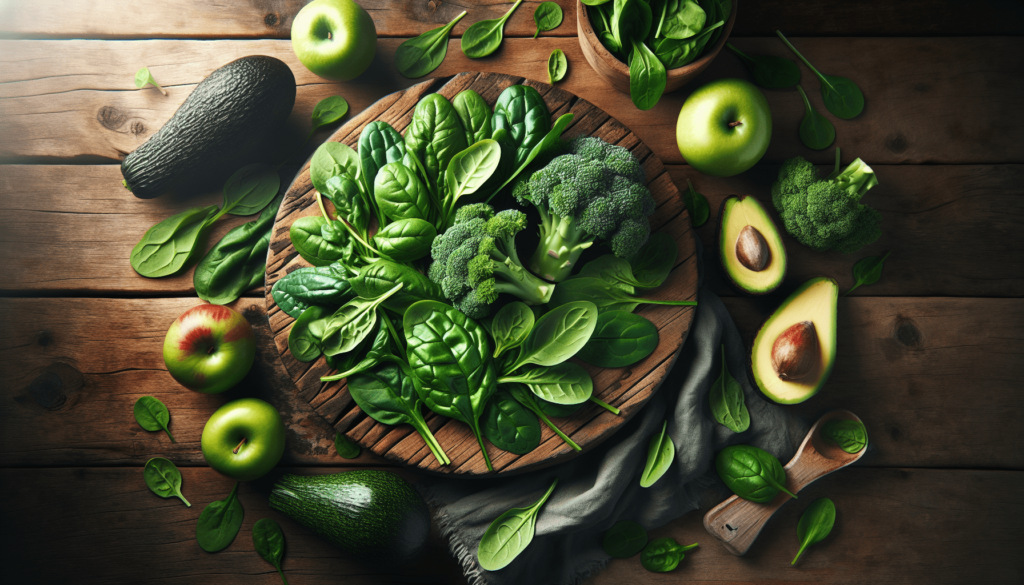
Understanding Weight Loss Smoothies
Smoothies are often touted as a quick and nutritious meal option.
Weight loss smoothies, in particular, can help you stay full longer, manage cravings, and make sure you’re getting essential vitamins and minerals.
By incorporating greens, these smoothies can offer fiber, which is essential for digestion, as well as various nutrients that can boost your metabolism.
Why Greens Matter in Smoothies
Greens are not just for salads! They are a low-calorie, nutrient-dense food that adds bulk and fiber to your smoothies.
When you blend greens, you’re not just downsizing calories — you’re also increasing your intake of vitamins A, C, K, and various minerals.
This can leave you feeling satisfied, revitalized, and less likely to reach for that sugary snack later in the day.
Top Greens for Weight Loss Smoothies
Now, let’s talk about the standout greens you should consider including in your weight loss smoothies.
Each of these options brings something unique to the table.
Spinach
Spinach is a fantastic option for smoothies because of its mild flavor and impressive nutrient profile. It’s packed with vitamins and minerals while being low in calories.
- Benefits: Spinach is high in iron, calcium, and magnesium, which are vital for overall health. It’s also rich in antioxidants that can help reduce inflammation in the body.
- How to Use: You can easily add a handful of fresh spinach to your smoothie, and it blends seamlessly with fruits like bananas and apples.
Kale
Kale is often referred to as a superfood, and for good reason. This leafy green is nutrient-rich and has a more robust flavor than spinach.
- Benefits: Kale is packed with vitamins K, A, and C, along with powerful antioxidants. Its fiber content can help with digestion and keep you feeling full.
- How to Use: Use young, tender kale leaves for a less bitter taste. Simply blend them with some fruit, yogurt, or nut butter for a creamy texture.
Swiss Chard
Swiss chard is often overlooked, but it deserves your attention. Its vivid colors not only make it visually appealing but also indicate a wealth of nutrients.
- Benefits: Like spinach and kale, Swiss chard is high in vitamins A, C, and K. It also contains magnesium and potassium, essential for heart health.
- How to Use: Add chopped Swiss chard to your smoothie for a pop of color and a subtle earthiness.
Cucumber
Though technically a fruit, cucumber is often considered a vegetable due to its culinary usage. It makes an excellent addition to smoothies, providing hydration and crunch.
- Benefits: Cucumbers are low in calories and high in water content, making them great for hydration. They also contain vitamins K and C.
- How to Use: Dice a cucumber and toss it into your blender. Its refreshing taste pairs well with greens and fruits alike.
Celery
Celery is another hydrating vegetable that can amp up the nutritional value of your smoothie. It’s also great for adding texture.
- Benefits: Celery is low in calories and high in fiber, making it a filling option. It’s rich in vitamins A, C, and K and provides a good dose of potassium.
- How to Use: Chop a couple of celery stalks and blend them in for a fresh crunch.
Romaine Lettuce
Romaine lettuce isn’t just for salads; it can also be a refreshing addition to your smoothies. This leafy green is crisp and light.
- Benefits: It’s low in calories and rich in vitamins A and K. Romaine lettuce also has a decent amount of water, which helps with hydration.
- How to Use: Toss a few leaves into your blender for a light, refreshing texture.
Collard Greens
While collard greens might not be your first thought for smoothies, they are incredibly nutritious and worth considering.
- Benefits: Collards are particularly high in vitamins A, C, K, and calcium. Their fiber content can help fill you up and keep you satisfied longer.
- How to Use: Simply remove the thick stems and add a couple of leaves to your blender. You might want to pair them with sweeter fruits to balance out the flavor.
Broccoli
Broccoli may seem like an unusual choice for smoothies, but it can enhance the nutrient profile significantly.
- Benefits: Broccoli is a powerhouse of nutrients, including vitamins C, K, and fiber. It has been shown to have potential cancer-fighting properties.
- How to Use: Steam the broccoli lightly before adding it to your smoothie to make blending easier and to enhance its digestibility.
Beet Greens
If you’re a beet lover, don’t toss those greens! Beet greens are often discarded but can be a nutritious smoothie ingredient.
- Benefits: They are rich in vitamins A and K and contain essential minerals like calcium and iron. They add a subtle earthy flavor.
- How to Use: Blend them in fresh or lightly steamed for a nutritious boost.
Creating the Perfect Green Smoothie
It’s not just about adding greens; it’s about finding the right balance of flavors and nutrients to make your smoothie both tasty and filling.
Base Liquids
Choosing the right base liquid is crucial for the texture. Here are some popular choices:
- Water: The zero-calorie option keeps your smoothie light and refreshing.
- Coconut Water: Offers additional electrolytes and a slightly sweet taste.
- Almond Milk: A great alternative for a creamier texture without the calories of dairy milk.
- Green Tea: Provides caffeine and antioxidants, perfect for a morning boost.
Adding Fruits
Fruits can sweeten your smoothie and provide essential nutrients. Consider these options:
| Fruit | Benefits |
|---|---|
| Banana | Provides creaminess and potassium. |
| Berries (e.g., blueberries, strawberries) | Packed with antioxidants and low in calories. |
| Mango | Offers sweetness and vitamin C. |
| Pineapple | Adds tropical flavor and digestive enzymes. |
Enhancing with Protein
Adding protein can make your smoothie more satisfying. Here are some excellent choices:
| Protein Source | Benefits |
|---|---|
| Greek Yogurt | Creamy texture and rich in probiotics. |
| Protein Powder | Add a scoop of your preferred protein for an extra boost. |
| Nut Butter | Provides healthy fats and adds richness. |
| Chia Seeds | An excellent source of omega-3s and adds texture. |
Tips for Making a Great Green Smoothie
To make your smoothie experience even better, try these tips:
Experiment with Different Greens
Don’t hesitate to mix and match greens! You may find that you enjoy a combination you hadn’t considered before.
Keep It Balanced
Aim for a balance of greens, fruits, protein, and healthy fats. This balance will help keep you full and satisfied.
Watch the Sugar Content
While fruits are nutritious, they can also be high in sugar. Be mindful of your fruit portions, especially if you’re watching your sugar intake.
Choose Fresh Ingredients
Fresh, high-quality ingredients will yield the best flavor and nutritional content.
This also means opting for organic when possible, especially for greens, which can carry pesticide residues.
Blend in Stages
If you’re using tougher greens like kale or collards, blend them first with your liquid. Then, add fruits and other ingredients to ensure everything gets blended evenly.
Store Leftovers Carefully
If you make a larger batch, store your smoothie in an airtight container and consume it within 24 hours to maintain freshness.
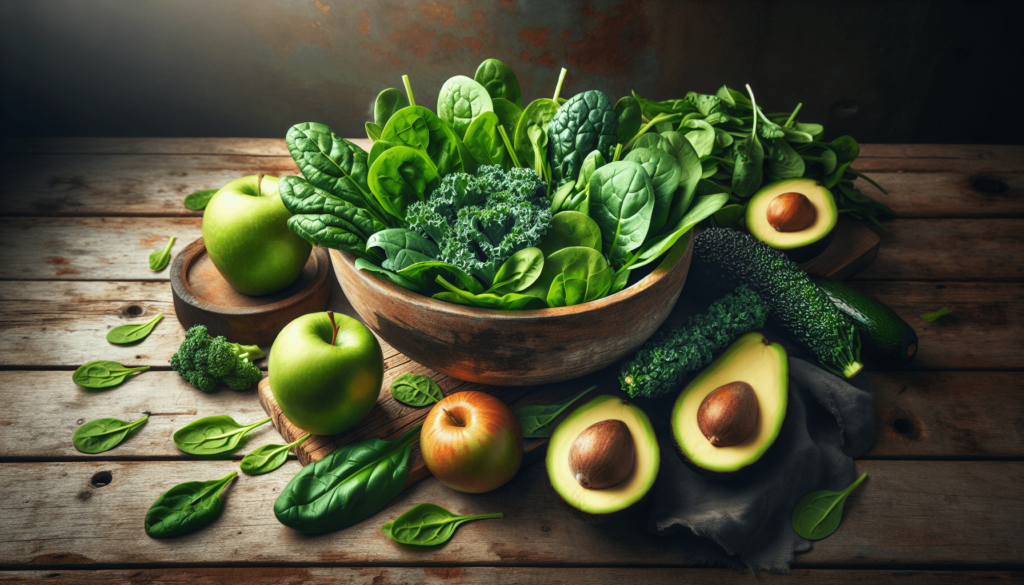
The Role of Greens in Weight Management
Incorporating greens into your daily routine can help with weight management in several ways.
Low-Calorie, High-Volume Foods
Greens are low in calories while providing bulk, which can help you feel satisfied without overeating.
This volume can help curb hunger and prevent unnecessary snacking throughout the day.
Nutrient Dense
When you fill your diet with nutrient-dense foods, your body gets the vitamins and minerals it needs to function optimally.
This can help reduce cravings for unhealthy snacks, as your body is satisfied with its nutritional needs.
Fiber Content
The high fiber content in greens aids digestion and helps you feel full longer.
This means you’re less likely to reach for extra snacks, and it supports a healthy gut, which is essential for overall wellness.
Hydration
Many greens have a high water content, which helps with hydration.
Proper hydration is a fundamental aspect of weight management, as it can affect your energy levels and metabolism.
Conclusion: Making Greens a Part of Your Routine
Adding greens to your weight loss smoothies is a delicious way to enhance your nutrition and support your weight management goals.
The versatility of options means you can always find something that suits your taste.
Whether you lean toward spinach, kale, or even broccoli, the key is to incorporate these nutritious greens into your daily routine.
As you blend up your next smoothie, remember the benefits that come with these leafy greens.
Not only are they great for your waistline, but they also contribute significantly to your overall health.
So, go ahead, get creative in the kitchen, and enjoy every sip of your nutrient-packed, green goodness!