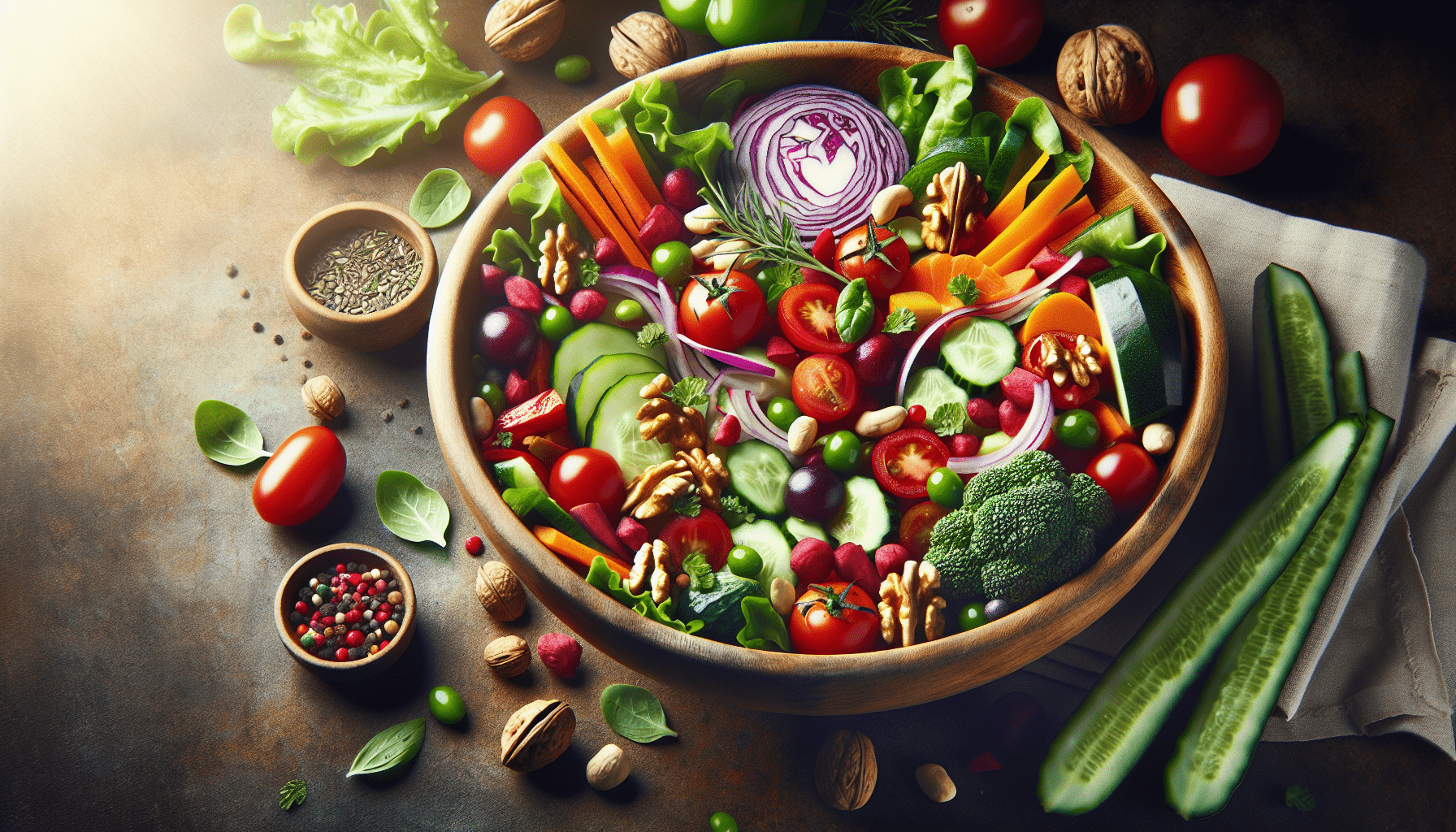
What if you could lose weight without starving yourself? Imagine embracing a lifestyle where you shed pounds while still enjoying delicious meals, all without the constant pangs of hunger.
Sustainable weight loss is not just a dream; it’s achievable, and in this guide, you’ll uncover the secrets to make it a reality.
Understanding Sustainable Weight Loss
Sustainable weight loss refers to the ability to lose weight in a healthy and maintainable manner without resorting to extreme diets or excessive exercise.
This approach helps you build habits that contribute to long-term health rather than quick fixes that lead to temporary results.
The Importance of a Balanced Diet
You might wonder why a balanced diet is paramount in the weight loss journey.
It’s simple: when you nourish your body with the right foods, you provide it with the fuel it needs function optimally.
This means that you won’t just feel full, but you’ll also have the energy to tackle your day-to-day activities.
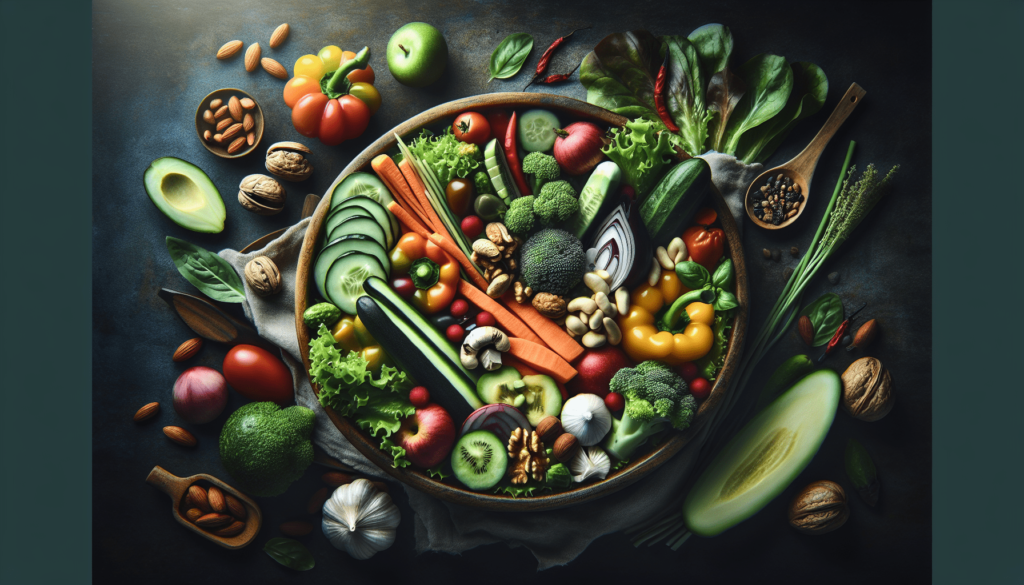
Most people think of diets as limiting, but a balanced diet is about including a variety of food groups.
This encompasses fruits, vegetables, whole grains, lean proteins, and healthy fats. Each of these plays a crucial role in satisfying hunger and preventing cravings.
Your Body’s Hunger Signals
Understanding what your body is signaling through hunger cues can be key to weight loss.
Have you ever noticed that sometimes you snack out of boredom rather than hunger?
Recognizing the difference between emotional and physical hunger can help you make better choices.
- Physical Hunger: This develops gradually, often accompanied by physical signs like a rumbling stomach.
- Emotional Hunger: This tends to come on suddenly and is often linked to feelings or situations, rather than true physiological need.
By tuning into these signals, you can make more informed decisions about when and what to eat.
The Role of Fiber in Weight Loss
One of the best secrets to feeling satisfied without excessive calories is fiber. It’s essential for your digestive health and plays a significant role in weight management.
What is Fiber?
Fiber is a type of carbohydrate that the body can’t digest. Instead of being broken down into sugar molecules, it passes through the body undigested.
There are two types of fiber: soluble and insoluble.
- Soluble Fiber: Found in foods like oats, beans, and apples, it dissolves in water and forms a gel-like substance. It helps to lower blood sugar levels and cholesterol.
- Insoluble Fiber: This type helps to add bulk to your stool and promotes regularity, found in whole grains, nuts, and vegetables.
Foods High in Fiber
Including high-fiber foods in your diet can help keep you full for longer. Here’s a handy list to consider:
| Food Item | Serving Size | Fiber Content |
|---|---|---|
| Black beans | 1 cup | 15 grams |
| Lentils | 1 cup | 16 grams |
| Whole grain bread | 2 slices | 6 grams |
| Apples with skin | 1 medium | 4 grams |
| Chia seeds | 1 ounce | 10 grams |
By incorporating these foods into your meals, you’ll notice a reduction in hunger pangs and an increase in satisfaction.
Healthy Fats: A Weight Loss Ally
It may sound counterintuitive, but including healthy fats in your diet can actually support weight loss. Fat is essential for some bodily functions and can help keep hunger at bay.
Benefits of Healthy Fats
Healthy fats are found primarily in plant-based oils, nuts, seeds, and fish. Here are a few reasons why they can work in your favor:
- Satiety: Fats digest slowly, helping you feel full longer.
- Hormonal Balance: Certain fats are crucial for hormone production, including hormones that regulate hunger.
- Flavor: Healthy fats enhance the flavors in your meals, making healthy eating more enjoyable.
Sources of Healthy Fats
When it comes to incorporating fats into your diet, focus on quality over quantity. Here are some great options:
| Food Item | Serving Size | Healthy Fats |
|---|---|---|
| Avocado | 1 medium | 29 grams |
| Olive oil | 1 tablespoon | 14 grams |
| Almonds | 1 ounce | 14 grams |
| Salmon | 3 ounces | 17 grams |
Aim to replace unhealthy fats with these nutritious options, enhancing your meals while keeping the satisfaction high.
Protein Power: Staying Full
Protein is another essential component of a weight loss strategy. It’s not just for athletes; including enough protein in your diet can help you maintain muscle mass while losing fat.
Why Protein Matters
Eating enough protein can reduce hunger hormones and increase feelings of fullness. Here’s how:
- Increases Metabolism: Foods high in protein require more energy for digestion, thus boosting your metabolism.
- Preserves Muscle: When losing weight, your body may break down muscle for energy. Protein helps preserve muscle mass.
Wonderful Protein Sources
To make sure you’re getting enough protein each day, consider the following:
| Food Item | Serving Size | Protein Content |
|---|---|---|
| Chicken breast | 3 ounces | 26 grams |
| Greek yogurt | 1 cup | 20 grams |
| Eggs | 2 large | 12 grams |
| Tofu | 1 cup | 20 grams |
Incorporating these protein-rich foods in your meals not only enhances your diet but also keeps your hunger in check.
Hydration: The Often-Overlooked Factor
Have you ever mistaken thirst for hunger? Staying adequately hydrated is a crucial component of feeling satisfied and can play a vital role in weight loss.
The Importance of Drinking Water
Water is essential for your overall health. Staying hydrated helps with:
- Metabolic Processes: Water aids in digestion and nutrient absorption.
- Reducing Hunger: Drinking water before meals can help fill your stomach, reducing the likelihood of overeating.
- Improving Energy Levels: Dehydration can lead to fatigue, making it harder to stay active.
Tips for Staying Hydrated
Here are some simple tips to help you increase your water intake:
- Carry a reusable water bottle.
- Set reminders to drink water throughout the day.
- Infuse your water with fruits or herbs for flavor.
By prioritizing hydration, you can manage your hunger levels and support your weight loss efforts.
The Power of Mindful Eating
Would you like to eat less and still enjoy your food? Practicing mindful eating can transform how you approach meals, making weight loss feel effortless.
What is Mindful Eating?
Mindful eating is the practice of being present during meals and savoring each bite. Instead of rushing through your food, you take the time to enjoy flavors and textures.
Benefits of Mindful Eating
- Enhances Satisfaction: Engaging with your food allows you to appreciate it more, leading to feelings of fullness.
- Helps in Identifying True Hunger: By slowing down, you can differentiate between emotional and physical hunger cues.
- Reduces Overeating: Mindfulness encourages listening to your body, which can prevent excessive eating.
How to Practice Mindful Eating
Consider these tips to incorporate mindfulness into your meals:
- Sit down at a table and eliminate distractions (like your phone or TV).
- Focus on the colors, smells, and textures of your food.
- Chew slowly and appreciate each bite.
By practicing mindful eating, you can enjoy your meals more and avoid unnecessary weight gain.
The Impact of Regular Physical Activity
While you can lose weight without exercise, incorporating physical activity can help speed up results and improve your overall health.
Why Exercise Matters
You don’t have to hit the gym for hours to reap the benefits of physical activity. Regular movement can:
- Boost Metabolism: Even light exercise can help rev up your metabolism.
- Improve Mood: Exercise releases endorphins, which can enhance your overall sense of well-being.
- Support Muscle Maintenance: Physical activity helps preserve muscle mass, particularly important when weight loss occurs.
Finding Activities You Enjoy
The key to staying active is to find exercises that you find fun. Here are some ideas:
- Walking: A simple yet effective way to get your body moving.
- Dancing: Enjoy music and movement at the same time.
- Yoga: Next-level mindfulness combined with stretching and strength.
By finding ways to enjoy physical activity, you’ll look forward to getting moving rather than seeing it as a chore.
Building a Support System
Consider how helpful it can be to rely on friends or family during your weight loss journey. A solid support system can reinforce your commitment and provide encouragement.
Finding Your Community
Whether virtually or in person, engaging with others who share your goals can be incredibly motivating. Here are some ideas for building your support system:
- Join a Weight Loss Group: Look for local or online forums where you can share experiences and tips.
- Buddy System: Pair up with a friend who has similar goals to keep one another accountable.
- Social Media: Follow health-focused accounts for inspiration and motivation.
Losing weight feels less daunting when you have people to share your journey with.
Embracing a Positive Mindset
How do you view your weight loss journey? Cultivating a positive mindset can prove beneficial towards achieving your goals.
The Power of Positive Thinking
A healthy frame of mind not only motivates but also helps you face challenges with a constructive outlook.
When you concentrate on progress rather than perfection, you’re more likely to succeed.
Techniques for Fostering Positivity
- Set Realistic Goals: Aim for small, achievable milestones rather than trying to overhaul your entire lifestyle at once.
- Celebrate Progress: Acknowledge your achievements, no matter how small; this reinforces positive behavior.
- Practice Gratitude: Regularly reflect on what you appreciate about your body and progress.
With a positive mindset, you’ll find motivation and joy in the journey rather than viewing it as a struggle.
Making It a Lifestyle
The ultimate goal of any weight loss journey should be to create lasting change. You want to adopt positive habits that promote your health beyond the scale.
Transition from Diet to Lifestyle
Instead of focusing on restrictions, consider how to make healthier choices an integral part of your life. Here’s how you can achieve this:
- Sustainable Changes: Make gradual adjustments to your diet that you can maintain in the long run.
- Be Flexible: Allow for occasional treats; being too strict can lead to burnout.
- Listen to Your Body: As you progress, pay attention to how your body responds to different foods and activities.
By shifting your perspective from temporary dieting to lifelong habits, you’ll ensure the weight you lose stays off for good.
Conclusion
Could you be just one small shift away from achieving your weight loss goals? By implementing these strategies, you’re not only working towards losing weight without feeling hungry but also developing a healthier lifestyle that you can maintain for years to come.
Now, it’s time for you to take action! Start incorporating these principles into your daily routine and watch as your relationship with food transforms, guilt fades, and weight loss become a natural part of your life.
Remember, it’s a journey, and every step you take brings you closer to a healthier, happier you.