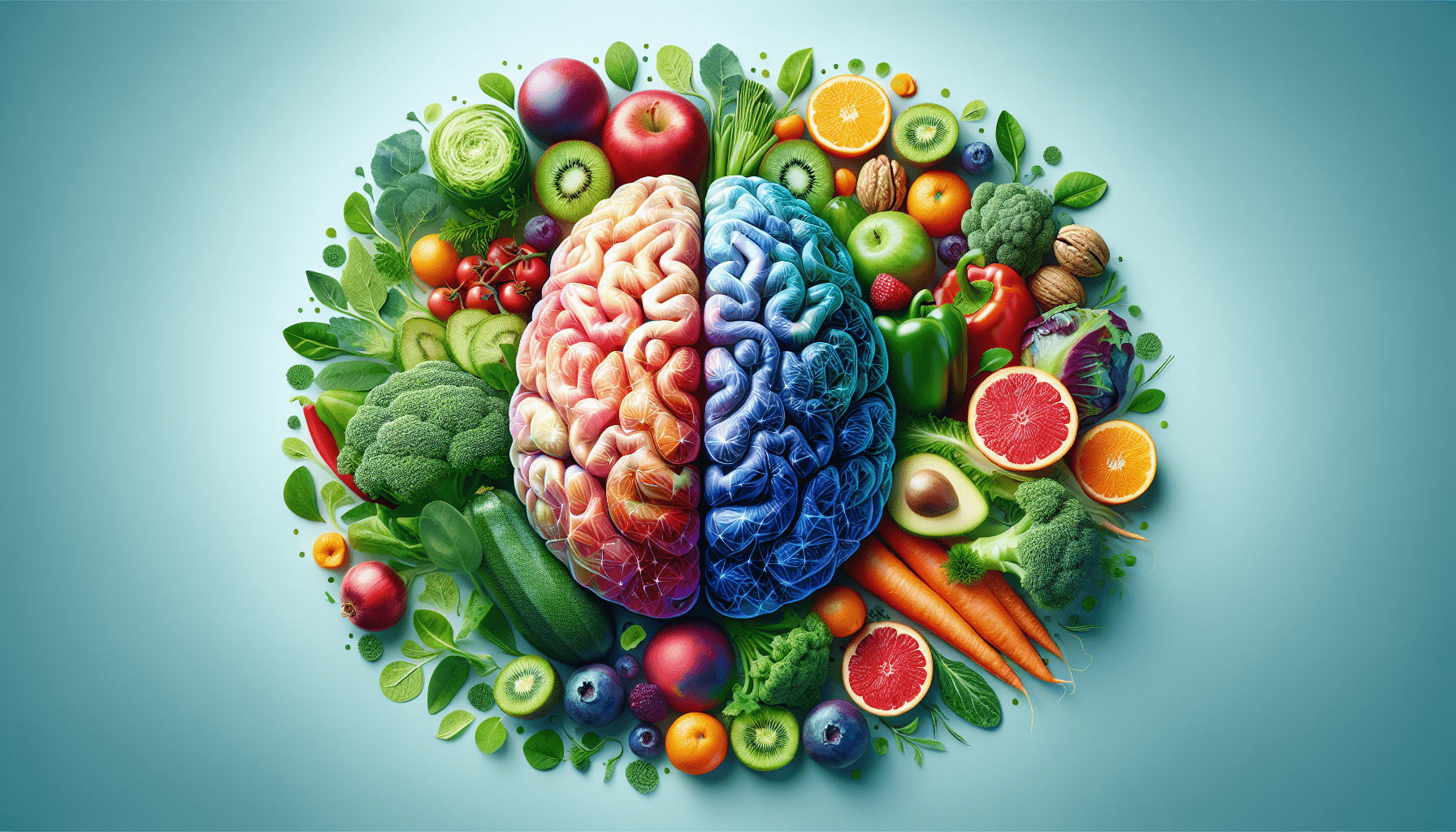
Have you ever noticed how your mood affects your appetite? Or perhaps how what you eat influences your mindset?
These seemingly unrelated aspects of life are tightly interwoven through something known as the gut-brain connection.
Understanding this relationship can significantly alter your approach to weight loss and overall health.
What is the Gut-Brain Connection?
The gut-brain connection refers to the complex relationship between your digestive system and your brain.
This bidirectional communication network encompasses various pathways, including hormonal signals, the nervous system, and immune responses.
When you think about it, your gut does more than digest food; it’s a vital player in your mental and physical well-being.
The Role of the Gut Microbiome
At the heart of this connection lies the gut microbiome, a diverse community of microorganisms residing in your intestines.
This microbiome helps break down food, absorbs nutrients, and plays a crucial role in regulating metabolism and fat storage.
Emerging research shows that the gut microbiome may also influence mood, cognition, and even behavior.
Your diet can significantly impact your gut microbiome.
A balanced diet rich in fiber, fruits, vegetables, probiotics, and fermented foods can foster a healthy microbiome, while a diet high in sugars and processed foods can disrupt it.
Importance of Gut Health
Good gut health is essential for optimal brain function and weight management.
An imbalance in your gut microbiome can lead to inflammation, stress, and other conditions that may hinder weight loss efforts.
Understanding your gut health can empower you to make informed choices that benefit your body and mind.
The Science Behind the Gut-Brain Connection
How Gut Bacteria Influence Your Brain
The bacteria in your gut send signals to your brain through the vagus nerve, a critical pathway for communication between these two organs.
This pathway can carry messages about hunger, fullness, and even emotions. When your gut bacteria are in harmony, they can help regulate your appetite, mood, and stress levels.
Conversely, an imbalanced microbiome can lead to increased cravings, emotional eating, and a general sense of discomfort.
Hormonal Connections
Hormones such as ghrelin, leptin, and cortisol play pivotal roles in appetite regulation and energy storage.
An unhealthy gut can affect the production and sensitivity of these hormones, leading to weight gain and difficulty losing weight.
Understanding how these hormones interact with your gut can help you develop strategies for managing hunger and cravings.
Here’s a simple breakdown of these hormones:
| Hormone | Function |
|---|---|
| Ghrelin | Stimulates appetite |
| Leptin | Signals satiety and reduces hunger |
| Cortisol | Increases hunger, particularly during stress |
When these hormones are out of balance, you might find it challenging to stick to your weight loss goals.
By addressing gut health, you can positively influence these hormonal responses.
The Impact of Stress on Gut Health
Stress can wreak havoc on your body, leading to a cascade of negative effects, including gut health problems.
When you’re stressed, your body produces cortisol, which can alter gut permeability and affect the composition of your microbiome.
High-stress levels can result in cravings for unhealthy foods, making weight management even more difficult.
Managing stress through mindfulness, exercise, and suitable nutrition can improve both your mental and gut health. It’s all interconnected.
Practical Steps to Improve Your Gut-Brain Connection
1. Focus on Nutrition
A healthy diet is crucial for maintaining a balanced gut microbiome. Consider incorporating the following foods into your diet:
- Fiber-Rich Foods: Foods such as whole grains, fruits, and vegetables nourish beneficial gut bacteria.
- Fermented Foods: Yogurt, kefir, sauerkraut, kimchi, and other fermented products introduce probiotics that support gut health.
- Prebiotic Foods: Foods like garlic, onions, and bananas contain prebiotics, which help nourish the good bacteria in your gut.
- Omega-3 Fatty Acids: Found in fish, walnuts, and flaxseeds, these healthy fats can reduce inflammation and promote overall health.
2. Stay Hydrated
Water plays a vital role in digestion and gut health. Keeping hydrated helps ensure that your digestive system functions efficiently.
Aim to drink plenty of water throughout the day and consider herbal teas to enhance your hydration routine.
3. Manage Stress Levels
Finding effective ways to manage stress can profoundly impact not only your gut health but also your weight loss journey.
Some stress-relief techniques to consider include:
- Mindfulness and Meditation: Practicing mindfulness helps ground you in the present moment and reduces stress levels.
- Exercise: Physical activity releases endorphins, naturally boosting your mood while supporting weight management.
- Quality Sleep: Prioritizing restful sleep each night can enhance mental clarity and improve metabolic functions, ultimately aiding your weight loss efforts.
4. Probiotics and Supplements
In some cases, you may need additional support for your gut health. Consider discussing with a healthcare professional the possibility of taking probiotic supplements.
These can help repopulate beneficial bacteria in your gut, especially if you’ve recently taken antibiotics or have other gut health issues.
5. Monitor Your Food Intolerances
Some people may experience food intolerances that can negatively affect gut health. Common culprits include gluten and dairy.
If you suspect you have a food intolerance, consider tracking your symptoms and dietary intake and consult a healthcare professional for guidance.
The Gut-Brain Connection and Emotional Eating
Many people struggle with emotional eating, often leading to weight gain and frustration.
Understanding the gut-brain connection can help you identify triggers that prompt emotional eating, allowing you to break the cycle.
Here are some tips to navigate emotional eating:
Recognize Triggers
Keep a food journal noting what you eat and your emotions at that time. Over time, patterns may emerge, helping you identify emotional triggers related to eating.
Seek Alternatives
Instead of reaching for food when you feel down, consider healthier alternatives. Activities like walking, reading, or journaling can provide emotional relief without the extra calories.
Build a Supportive Community
Surround yourself with supportive friends and family members who can help uplift you during challenging times.
Talking about your feelings rather than turning to food for comfort can lead to better outcomes.
The Role of Gut Health in Sustainable Weight Loss
Understanding Sustainable Practices
Sustainable weight loss focuses on long-term changes rather than quick fixes.
When you prioritize gut health, you are laying the foundation for sustainable, healthy habits.
By modifying your lifestyle with a focus on nutrition, stress management, and mindfulness, you’re more likely to achieve lasting results.
Building Healthy Habits
Small, gradual changes can yield significant results over time. Start with one or two modifications to your diet or daily routine that support your gut health and weight loss ambitions.
As you become more comfortable, continue to build upon these changes.
Establishing healthy habits may encourage your brain to associate positive feelings with nutritious foods, making the transition easier.
Setting Realistic Goals
Setting achievable short-term and long-term goals can help keep you motivated.
Rather than focusing strictly on the number on the scale, consider goals related to gut health, such as incorporating more fiber-rich foods or managing stress levels.
Final Thoughts
Understanding the gut-brain connection offers remarkable insights into your overall health and weight loss journey.
This relationship underscores the importance of nurturing gut health to support both your physical and emotional well-being.
By implementing simple, mindful changes in your diet and lifestyle, you can optimize this connection, making it easier to achieve your weight loss goals while enhancing your mood and mental clarity.
Remember, every small step counts, and you’re on your way to a healthier, more balanced life!