Have you ever thought about what our ancestors ate? Imagine stepping back in time, to a period where food choices were simple, yet nourishing.
The Paleo Diet invites you to do just that by embracing an eating pattern that aligns with the foods consumed by our hunter-gatherer ancestors.
This guide will walk you through the concepts of the Paleo Diet, helping you understand how to adopt a lifestyle that mirrors the eating habits of those who lived thousands of years ago.
What is the Paleo Diet?
The Paleo Diet, also known as the Caveman Diet, is a dietary plan based on the idea of eating whole foods similar to what early humans consumed during the Paleolithic era.
This era lasted from approximately 2.5 million years ago until around 10,000 years ago, prior to the advent of agriculture.
The primary principle behind the Paleo Diet is to eat foods that our ancestors would have hunted and gathered.
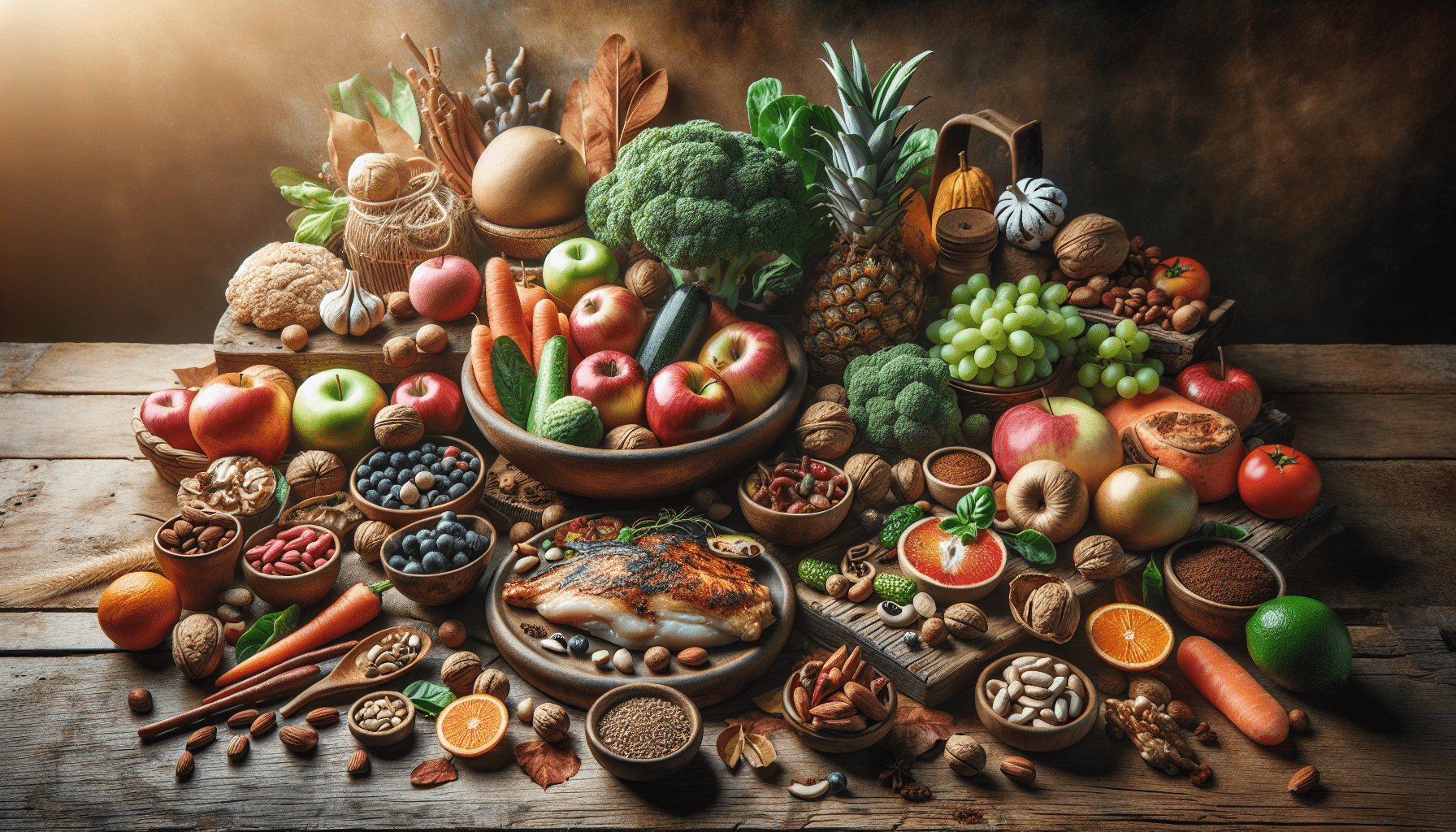
This includes fresh fruits, vegetables, lean meats, fish, nuts, and seeds while excluding processed foods, grains, dairy products, and legumes.
The Foundation of the Paleo Diet
At its core, the Paleo Diet promotes a return to natural food sources.
The idea is that by consuming foods high in nutrients and free from additives and processing, you can improve your overall health.
The rationale is simple: if our ancestors thrived on these foods, they must be beneficial for us too.
Key Principles of the Paleo Diet
- Focus on Whole Foods: Prioritize fresh fruits, vegetables, meats, fish, nuts, and seeds.
- Avoid Processed Foods: Steer clear of items with additives, preservatives, and chemical ingredients.
- Limit Dairy and Grains: Exclude dairy products and grains, which were not part of the Paleolithic diet.
- Listen to Your Body: Pay attention to how foods make you feel and adjust your diet accordingly.
Benefits of the Paleo Diet
The Paleo Diet is associated with several health benefits. While individual results may vary, many people experience positive changes upon adopting this way of eating.
Improved Nutritional Profile
By focusing on whole foods, you naturally increase your intake of vitamins, minerals, and antioxidants.
Fruits and vegetables are packed with nutrients that are essential for your health.
Weight Management
Many individuals find that the Paleo Diet helps them maintain or achieve a healthy weight.
The emphasis on lean proteins, healthy fats, and fiber-rich fruits and vegetables can promote satiety, helping you feel full longer and reducing the likelihood of overeating.
Enhanced Energy Levels
With a balanced intake of nutrients and a reduction of processed foods, many report experiencing higher energy levels.
This can be attributed to more stable blood sugar levels and a diet that supports optimal metabolic function.
Potential for Reduced Inflammation
The elimination of processed foods and added sugars in the Paleo Diet may contribute to decreased inflammation in the body.
Chronic inflammation is associated with numerous health issues, so focusing on anti-inflammatory foods can be beneficial.
What Foods to Eat on the Paleo Diet
Transitioning to a Paleo lifestyle may feel daunting at first, but knowing what to eat can make the process smoother.
Protein Sources
Prioritize high-quality protein sources that would have been available to our ancestors. Here’s a quick guide:
| Food Type | Examples |
|---|---|
| Meats | Grass-fed beef, lamb, pork |
| Poultry | Chicken, turkey |
| Fish | Salmon, trout, sardines |
| Eggs | Chicken eggs |
Fruits and Vegetables
These are the backbone of the Paleo Diet. Choose a variety of colorful vegetables and fruits to ensure a well-rounded intake of nutrients:
| Fruits | Vegetables |
|---|---|
| Apples | Spinach |
| Berries | Broccoli |
| Bananas | Carrots |
| Avocados | Kale |
Healthy Fats and Nuts
Incorporating healthy fats into your diet is essential for optimal health. Additionally, nuts and seeds provide protein and healthy fats that are ideal for snacks.
| Nuts and Seeds | Healthy Fats |
|---|---|
| Almonds | Olive oil |
| Walnuts | Coconut oil |
| Chia seeds | Avocado oil |
| Flaxseeds | Nut butters (without additives) |
Foods to Avoid on the Paleo Diet
While it’s essential to know what to eat, it’s just as crucial to be aware of what to exclude from your diet.
Processed Foods
Avoid anything that has undergone significant processing or contains artificial additives. This includes:
- Sugary snacks and desserts
- Fast food
- Convenience meals
- Processed meats (like hot dogs and deli meats)
Grains
The Paleo Diet eliminates grains since they were not part of the diet during the Paleolithic era. Common grains to avoid include:
- Wheat
- Rice
- Corn
- Oats
Legumes
Although they are often considered healthy, legumes are excluded from the Paleo Diet due to their potential for anti-nutrients, which can interfere with the absorption of essential nutrients. Examples include:
- Beans
- Lentils
- Peas
- Soy
Dairy Products
Most dairy products are not included in the Paleo Diet, as they’re not thought to have been consumed by our ancient ancestors.
However, some variations of the diet allow for moderate consumption of certain dairy products, like cheese or yogurt, especially if they are raw or grass-fed.
How to Transition to a Paleo Diet
Making the switch to a Paleo lifestyle can be a gradual process that involves a few key steps to ease you into new eating habits.
Start with a Cleanup
Begin by eliminating processed foods from your kitchen. Clear out snacks, frozen meals, and anything that contains additives or preservatives.
This will make it easier to choose paleo-friendly options.
Create a Meal Plan
Planning your meals is crucial for success. A well-thought-out meal plan will help you stay on track and make shopping easier.
Consider including a variety of proteins, fruits, vegetables, and healthy fats.
Experiment with New Recipes
The Paleo Diet can be delicious and exciting. Experiment with new recipes that fit within the guidelines of the diet.
You can find countless resources online or in cookbooks that are dedicated to this eating style.
Stay Hydrated
Water plays an important role in supporting your overall health. Aim to drink plenty of water throughout the day.
Herbal teas and infused water can also be refreshing alternatives.
Meal Ideas for the Paleo Diet
Finding tasty and satisfying meals on the Paleo Diet doesn’t have to be tedious. Here are some meal ideas to inspire your cooking:
Breakfast
- Scrambled Eggs with Spinach and Avocado: Whip up eggs with sautéed spinach and top with creamy avocado slices.
- Smoothie Bowl: Blend ripe bananas, frozen berries, and almond milk; top with nuts and seeds.
Lunch
- Grilled Chicken Salad: Toss grilled chicken breast with mixed greens, sliced cucumbers, cherry tomatoes, and finish with a drizzle of olive oil and vinegar.
- Zucchini Noodles with Pesto and Shrimp: Use a spiralizer to create zucchini noodles, sauté shrimp, and mix in homemade pesto.
Dinner
- Baked Salmon with Brussels Sprouts: Season salmon fillets with herbs and bake alongside roasted Brussels sprouts for a hearty meal.
- Stir-Fried Beef with Broccoli: Sauté strips of beef with fresh broccoli and garlic in coconut oil for a quick dinner option.
Snacks
- Mixed Nuts: A handful of almonds, walnuts, and cashews can be a satisfying and healthy snack.
- Veggies and Guacamole: Carrot sticks or cucumber slices dipped in fresh guacamole make a crunchy and delicious snack.
Meal Preparation Tips
To successfully stick to the Paleo Diet, you’ll want to make meal preparation a key part of your routine. Here are some practical tips:
Batch Cooking
Prepare large portions of meals and divide them into servings that you can enjoy throughout the week.
This will save you time and ensure you have healthy options readily available.
Use Simple Ingredients
Stick to recipes that require minimal ingredients and preparation time. It’s often easier to maintain your diet when cooking doesn’t feel like a chore.
Keep Snacks on Hand
Stock up on portable snacks like nuts, seeds, and pre-cut vegetables. This will help you stay on track and prevent unhealthy choices when hunger strikes.
Common Challenges of the Paleo Diet
Adopting any new diet can come with challenges. Here are some common ones you might encounter on the Paleo Diet and tips on how to overcome them.
Social Situations
Eating out or attending social gatherings can be tricky. Many restaurants offer gluten-free or paleo-friendly options. When in doubt, don’t hesitate to ask about ingredients.
Cravings for Processed Foods
You might miss certain snacks or treats. Instead of giving in to cravings, find healthier alternatives that satisfy your sweet tooth, such as fruit or dark chocolate in moderation.
Limited Options
In some situations, finding suitable options can be tough. Preparing meals in advance and carrying snacks will help you stick to your dietary choices.
Is the Paleo Diet Right for You?
Before embarking on any dietary change, it’s wise to consider whether it aligns with your personal health goals and lifestyle.
While many find success with the Paleo Diet, it’s important to listen to your own body, preferences, and needs.
Consult with a Professional
If you’re unsure about transitioning to the Paleo Diet, seeking guidance from a healthcare professional or registered dietitian can be invaluable.
They can help tailor a plan that’s appropriate for your unique needs.
Focus on Balance
Remember that the key to any successful approach to eating is balance. It’s okay to indulge occasionally or modify the diet to better suit your lifestyle.
Flexibility is essential for long-term success.
Final Thoughts on the Paleo Diet
Eating like our ancestors might sound appealing, and for many, it can be a refreshing change from the typical modern diet.
By prioritizing whole foods and nutritious choices, you may improve your health and well-being. As you embark on this journey, remain open to learning and adapting.
No matter where you are in your dietary journey, remember that it’s about finding what works for you.
Just like our ancestors had to adapt and evolve, so can you in your quest for better health.